
Colorado Lease Agreement
A Colorado rental lease agreement establishes a legally binding contract between landlords and tenants. This comprehensive document outlines rental terms, payment obligations, property rules, and the rights of both parties. The agreement protects landlord investments while ensuring tenants understand their responsibilities throughout the tenancy.
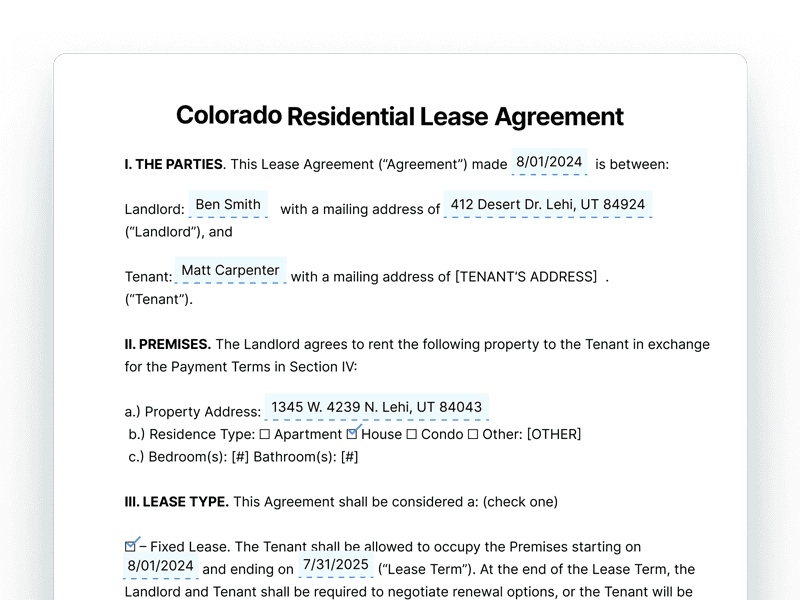


Understanding Colorado Lease Agreement Requirements
State Legal Framework
Colorado landlord tenant law provides the foundation for all residential rental agreements in the state. The Colorado Revised Statutes Title 38, Article 12 establishes rights and responsibilities for both parties. Colorado has strengthened tenant protections in recent years while maintaining balanced regulations for landlords operating in the state. The Colorado rental lease agreement becomes enforceable when both parties sign the document, creating mutual obligations that govern the entire landlord-tenant relationship.
Written Agreement Standards
Colorado does not legally require written lease agreements for tenancies under one year. However, creating a written residential lease agreement Colorado landlords can reference provides clear documentation and legal protection. Written agreements prevent disputes by establishing explicit terms both parties acknowledge and accept.
Essential Elements of a Colorado Lease Agreement
Parties and Property Identification
Complete Party Information Every Colorado lease agreement template should identify all parties involved in the rental arrangement. Required information includes:
- Full legal names of all landlords or property managers
- Full legal names of all adult tenants
- Complete property address including unit numbers
- Legal property description when applicable
Accurate identification prevents confusion about who holds rights and responsibilities under the agreement.
Lease Term and Duration
Fixed-Term Agreements Fixed-term leases establish specific start and end dates for tenancies. Most Colorado rental contracts run for 12-month periods, though landlords can create agreements for any duration. Fixed-term leases provide stability for both parties and establish clear expectations about tenancy length.
Month-to-Month Arrangements Month-to-month rental agreements offer flexibility for landlords and tenants who prefer shorter commitments. These arrangements automatically renew each month until either party provides proper termination notice. Colorado requires specific notice periods depending on the length of tenancy and local regulations.
Rent Payment Terms
Payment Obligations Colorado lease agreements must clearly state rent payment requirements including:
- Monthly rent amount
- Payment due date
- Accepted payment methods
- Where tenants should submit payments
- Grace period provisions (if offered)
Colorado law does not mandate specific grace periods, though many landlords provide reasonable time before assessing late fees.
Late Fee Provisions Colorado law limits late fees to reasonable amounts reflecting actual costs incurred. Excessive late fees may be deemed unenforceable. Late fee policies should appear clearly in the rental agreement Colorado tenants receive. Including specific late fee amounts and assessment dates prevents disputes.
Security Deposit Requirements in Colorado
Deposit Limits and Handling
No Statutory Cap Colorado places no statewide limit on security deposit amounts. Landlords can request deposits based on property value, rental rates, and risk assessment. Most landlords collect deposits equal to one or two months rent.
Holding Requirements Colorado does not require landlords to hold security deposits in separate accounts or pay interest on deposited funds. However, maintaining organized records of all deposits protects landlords during disputes and ensures proper accounting.
Return Procedures
Standard Timeline Colorado landlords must return security deposits within one month after tenants vacate properties unless the lease specifies a longer period. Lease agreements can extend this timeline up to 60 days maximum.
72-Hour Inspection Colorado law allows tenants to request a walk-through inspection within 72 hours before moving out. This inspection identifies potential deductions and gives tenants opportunity to address issues before final move-out.
Allowable Deductions Landlords can deduct from security deposits for:
- Unpaid rent or utility charges
- Damage beyond normal wear and tear
- Cleaning costs to restore property condition
- Abandonment of property before lease end
- Other charges specified in the lease agreement
Providing itemized deduction statements with remaining deposit balances prevents tenant disputes and potential legal claims.
Wrongful Withholding Penalties
Colorado imposes penalties on landlords who wrongfully withhold security deposits. Landlords who fail to return deposits or provide itemized statements within required timelines may owe tenants treble damages (three times the withheld amount) plus attorney fees.
Required Disclosures for Colorado Rental Agreements
Lead-Based Paint Disclosure
Federal law mandates lead-based paint disclosures for all rental properties built before 1978. Colorado landlords must provide:
- Written disclosure of known lead-based paint presence
- EPA pamphlet “Protect Your Family from Lead in Your Home”
- Ten-day opportunity for lead inspection
- Signed acknowledgment of disclosure receipt
Failure to provide proper lead disclosures exposes landlords to significant federal penalties.
Landlord Contact Information
Every Colorado rental lease agreement must include the name and address of the property owner or authorized management agent. Tenants need this information to:
- Send legal notices and communications
- Request repairs and maintenance
- Report emergencies
- Deliver rent payments
Colorado requires disclosure of persons authorized to receive notices and manage the property.
Gas Appliance Disclosure
Colorado requires landlords to disclose information about gas appliances in rental properties. This disclosure must inform tenants about:
- Presence of gas appliances
- Carbon monoxide detector requirements
- Gas safety information
- Emergency procedures for gas leaks
Methamphetamine Disclosure
Colorado requires landlords to disclose if properties were previously used as methamphetamine laboratories. Disclosures must include:
- Known methamphetamine production history
- Contamination testing results
- Remediation and cleanup documentation
- Health department clearance status
Properties must meet Colorado Department of Public Health standards before rental occupancy.
Common Interest Community Disclosure
For properties within homeowners associations or common interest communities, Colorado requires disclosure of:
- HOA existence and contact information
- Governing documents availability
- Assessment fees and special assessments
- Rules and restrictions affecting tenants
Bed Bug Disclosure
Colorado landlords must disclose known bed bug infestations. Landlords cannot knowingly rent properties with active infestations without disclosure and remediation.
Landlord and Tenant Rights Under Colorado Law
Landlord Obligations
Warranty of Habitability Colorado imposes implied warranty of habitability requirements on landlords. Required maintenance includes:
- Functional plumbing and hot water
- Working heating facilities
- Safe electrical systems
- Weather-tight windows and doors
- Clean and sanitary common areas
- Compliance with building and housing codes
- Working smoke and carbon monoxide detectors
- Proper locks on doors and windows
Landlords must complete repairs within reasonable timeframes after receiving tenant notification.
Property Access Rights Colorado requires landlords to provide reasonable advance notice before entering rental properties. While no specific statutory timeframe exists, 24 to 48 hours notice represents standard practice. Entry must occur at reasonable times except for emergencies.
Tenant Responsibilities
Property Care Standards Tenants must maintain rental units according to Colorado statutory requirements including:
- Keeping property clean and sanitary
- Using electrical, plumbing, and heating systems properly
- Avoiding property damage beyond normal wear
- Following all lease provisions and rules
- Properly disposing of garbage
- Not disturbing neighbors
- Allowing reasonable landlord access for repairs
- Maintaining smoke and carbon monoxide detectors
Lease Termination and Eviction Procedures
Voluntary Termination
Notice Requirements Colorado termination notice requirements depend on lease type:
- Fixed-term leases end automatically on specified dates
- Month-to-month agreements require written notice (21 days for tenants, varies for landlords based on tenancy length)
- Week-to-week tenancies require 7 days written notice
Colorado recently updated notice requirements, so landlords should verify current regulations.
Eviction Processes
Nonpayment of Rent Colorado landlords can begin eviction proceedings when tenants fail to pay rent. The process requires:
- Ten-day notice to pay or vacate
- Filing forcible entry and detainer action if tenant fails to comply
- Court hearing and judgment
- Writ of restitution for physical removal
Lease Violations Landlords can pursue eviction for substantial lease violations. Colorado requires written notice specifying the violation and providing opportunity to cure when applicable.
Substantial Violation Certain violations including illegal activity, property damage, or threats to health and safety may warrant expedited eviction procedures without opportunity to cure.
Recent Legislative Changes
Colorado has enacted significant tenant protection legislation in recent years. Landlords should stay informed about:
- Extended notice periods for rent increases
- Just cause eviction requirements in some localities
- Limitations on fees and penalties
- Tenant remedy provisions
Creating an Effective Colorado Rental Lease Agreement
Documentation Best Practices
Comprehensive Terms Strong Colorado lease agreements include provisions addressing:
- Pet policies and deposits
- Guest and occupancy limits
- Maintenance responsibilities
- Utility payment assignments
- Parking and storage rules
- Noise and conduct standards
- Renewal and termination procedures
- Cannabis use policies
- Snow removal responsibilities
- Security deposit inspection procedures
Professional Templates Using a Colorado lease agreement template ensures contracts include all legally required elements. Customizing templates for specific properties and situations creates comprehensive agreements that protect landlord interests.
Tenant Screening Integration
Application Procedures Thorough tenant screening before lease signing helps landlords select reliable tenants. Screening should include:
- Credit history review
- Employment and income verification
- Rental history and references
- Background checks where permitted
Colorado prohibits discrimination based on source of income in some localities. Documenting screening criteria and applying standards consistently protects landlords from discrimination claims.
Colorado-Specific Considerations
Mountain and Resort Area Provisions
Colorado’s mountain communities create unique rental considerations:
- Seasonal rental rate variations
- Short-term rental regulations
- Snow removal and winter maintenance responsibilities
- Wildfire evacuation procedures
- High altitude appliance considerations
- Wood-burning stove and fireplace regulations
Cannabis Legalization Impact
Colorado’s cannabis legalization affects rental properties:
- Landlords can prohibit cannabis use in lease agreements
- Smoking restrictions apply to cannabis consumption
- Growing cannabis may be restricted or prohibited
- Federal housing programs maintain cannabis prohibitions
Lease agreements should clearly address cannabis policies.
Local Rent Control Considerations
While Colorado previously prohibited local rent control, recent legislative changes allow some localities to implement rental regulations. Landlords should research:
- Local rent stabilization measures
- Just cause eviction requirements
- Tenant protection ordinances
- Fee limitation provisions
Water Rights and Well Disclosures
Properties with wells or water rights require specific disclosures:
- Well permit information
- Water quality testing results
- Water rights and usage limitations
- Shared well agreements
- Municipal water availability
Radon Disclosure
Colorado recommends radon testing and disclosure due to elevated radon levels in many areas. While not always mandatory, responsible disclosure includes:
- Known radon testing results
- Radon mitigation system presence
- Information about radon health risks
Security Deposit
| TOPIC | RULE |
| Security Deposit Maximum: | 2x monthly rent Colo. Rev. Stat. § 38-12-102.5 |
| Security Deposit Interest: | No statute |
| Separate Security Deposit Bank Account: | No state-wide statute. Local ordinances may impose specific requirements. |
| Non-refundable fees: | No statute. Check rental agreement for any specifications. |
| Pet Deposits and Additional Fees: | $300 maximum pet deposit (separate from security deposit.) $35 or 1.5% monthly fee maximum. Colo. Rev. Stat. § 38-12-106 |
| Deadline for Returning Security Deposit: | 1 Month. Not to exceed 60 days Colo. Rev. Stat. § 38-12-103 |
| Permitted Uses of the Deposit: | Default rent, repairs beyond normal wear and tear, cleaning, abandonment of premises. Colo. Rev. Stat. § 38-12-103(1) |
| Security Deposit can be Withheld: | Yes Colo. Rev. Stat. § 38-12-103(1) |
| Require Written Description/Itemized List of Damages and Charges: | Yes Colo. Rev. Stat. § 38-12-103(1) |
| Receipt of Security Deposit: | No statute |
| Record Keeping of Deposit Withholdings: | Yes Colo. Rev. Stat. § 38-12-103(1) |
| Failure to Comply: | If landlord does not comply then they forfeit the right to withhold the security deposit. A landlord may also be liable for triple the amount of the deposit plus attorney & court costs. Colo. Rev. Stat. § 38-12-103(3) |
Lease, Rent & Fees:
| TOPIC | RULE |
| Rent is Due: | No statute. Check rental agreement for any specifications. |
| Payment Methods: | No statute. Check rental agreement for any specifications. |
| Rent Increase Notice: | Yes. 21-day notice required for tenancies over 1 month and less than 6 months. All other circumstances require 60-day notice. Colo. Rev. Stat. § 38-12-701 |
| Late Fees: | $50 or 5% of rent maximum after rent is 7 days late. Colo. Rev. Stat. § 38-12-105 |
| Application Fees: | Not allowed unless the landlord uses the fee amount to cover application processing cost. Colo. Rev. Stat. § 38-12-903 |
| Prepaid Rent: | 2x monthly rent Colo. Rev. Stat. § 38-12-102.5 |
| Returned Check Fees: | Fees vary depending on situation. Please refer to statute Colo. Rev. Stat. § 13-21-109 |
| Tenant Allowed to Withhold Rent for Failure to Provide Essential Services (Water, Heat, etc.): | Yes Colo. Rev. Stat. § 38-12-507 |
| Tenant Allowed to Repair and Deduct Rent: | Yes. The tenant must provide a 10-day notice with the intent of repairs. Colo. Rev. Stat. § 38-12-507(c)(I)(a) |
| Self-Help Evictions: | Not allowed. However, if the removal is consistent with article 18.5 of title 25 or the property seems to be abandoned then yes. Colo. Rev. Stat. § 38-12-510 |
| Landlord Allowed to Recover Court and Attorney’s Fees: | Yes, but only if it is stated in the lease agreement. Colo. Rev. Stat. § 13-40-123 |
| Landlord Must Make a Reasonable Attempt to Mitigate Damages to Lessee, including an Attempt to Re-rent: | No statute |
Notices and Entry:
| TOPIC | RULE |
| Notice to Terminate Tenancy: | 91-day notice is required for lease terms of 1 year+. Colo. Rev. Stat. § 13-40-107(2)(a) |
| Notice to Terminate a Periodic Lease – Week-to-week: | 3-day notice is required for 1 week or longer but less than 1 month. If less than 1 week then 1-day notice required. Colo. Rev. Stat. § 13-40-107(2)(d)(e) |
| Notice to Terminate a Periodic Lease – Month-to-Month: | 21-day notice is required for tenancies of 1 month or longer but less than 6 months. Colo. Rev. Stat. § 13-40-107(2)(c) |
| Notice to Terminate Lease due to Sale of Property: | No statute |
| Notice of date/time of Move-Out Inspection: | No statute |
| Notice of Termination for Nonpayment: | No specific statute about non-payment but a notice to terminate tenancy in general is required. Refer to Colo. Rev. Stat. § 13-40-107 |
| Notice for Lease Violation: | 10-day notice required or 3-day notice for exempt residential agreements. Colo. Rev. Stat. § 13-40-104 |
| Required Notice before Entry: | No statute but common practice is to give 24-hour notice minimum. |
| Entry Allowed with Notice for Maintenance and Repairs: | 48-hour notice required Colo. Rev. Stat. § 38-12-1004 |
| Emergency Entry Allowed without Notice: | No statute but usually no notice is required for emergencies. |
| Entry Allowed During Tenant’s Extended Absence: | Yes. If a landlord hasn’t heard of a tenant in 30 days it is considered abandonement. Colo. Rev. Stat. § 38-20-116 |
| Entry Allowed with Notice for Showing the Property: | 48-hour notice required Colo. Rev. Stat. § 38-12-1004 |
| Notice to Tenants for Pesticide Use: | 48-hour notice required Colo. Rev. Stat. § 38-12-1004 |
| Lockouts Allowed: | No Colo. Rev. Stat. § 38-12-510 |
| Utility Shut-offs Allowed: | No Colo. Rev. Stat. § 38-12-510 |
| Electronic Notices Allowed: | No statute |
Disclosures
- Name and Addresses: Landlord must disclose the name and address of the person authorized to manage the premises. (Colo. Rev. Stat. § 38-12-801)
- Copy of the Lease: Tenant must receive a copy of the signed lease. (Standard practice)
- Domestic Violence Situations: Victims may terminate the lease with written notice and documentation. (Colo. Rev. Stat. § 38-12-402)
Duties
Landlord’s Duties
- Compliance: Must comply with local building, housing, and health codes. (C.R.S. § 38-12-505)
- Repairs: Maintain the premises in a condition that is fit for human habitation. (C.R.S. § 38-12-505)
- Common Areas: Keep in a clean and safe condition. (C.R.S. § 38-12-505)
- Maintenance: Ensure all plumbing, heating, and electrical systems are functional. (C.R.S. § 38-12-505)
- Garbage: Provide adequate garbage receptacles and removal service. (C.R.S. § 38-12-505)
Tenant’s Duties
- Cleanliness: Keep premises clean and safe. (C.R.S. § 38-12-503)
- Trash: Dispose of waste properly. (C.R.S. § 38-12-503)
- Plumbing: Keep fixtures clean. (C.R.S. § 38-12-503)
- Appliances: Use appliances reasonably. (C.R.S. § 38-12-503)
- Damage: Do not damage or allow others to damage property. (C.R.S. § 38-12-503)
- Quiet Enjoyment: Avoid disturbing neighbors. (C.R.S. § 38-12-503)
- Subleasing: Only if allowed in lease or with written permission. (C.R.S. § 38-12-503)
- Retaliation: Landlords may not retaliate for complaints or union involvement. (C.R.S. § 38-12-509)
- Lead Disclosure: Federal requirement.
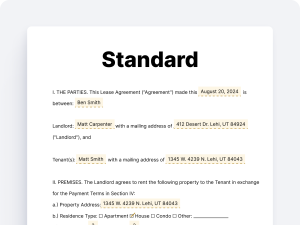
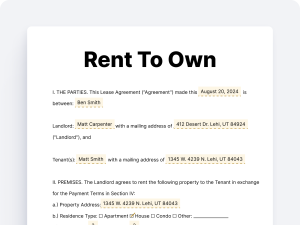
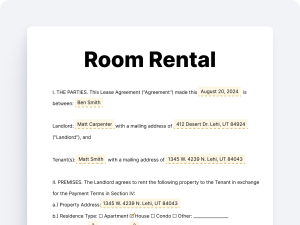
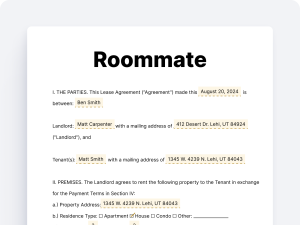
By Type (19)
Protecting Your Colorado Rental Investment
A well-drafted Colorado rental lease agreement forms the foundation of successful property management. Clear documentation of terms, responsibilities, and procedures prevents disputes while protecting both landlord and tenant interests. Taking time to create comprehensive agreements reduces legal risks and supports positive landlord-tenant relationships.
RocketRent provides Colorado lease agreement templates designed to meet state requirements and protect landlord investments. Our platform streamlines property management with integrated tools for lease creation, rent collection, and tenant screening. Create your Colorado rental lease agreement today and manage your properties with confidence.
Colorado Lease Agreement PDF
FAQs
Colorado does not legally require written lease agreements for tenancies under one year. However, written agreements provide essential documentation and legal protection for both landlords and tenants.
Colorado places no statewide limit on security deposit amounts. Landlords can request any amount they consider appropriate based on property value and risk assessment.
Colorado landlords must return security deposits within one month after the tenant vacates unless the lease specifies a longer period up to 60 days maximum. Wrongful withholding may result in treble damages.
Colorado requires tenants to provide 21 days written notice for month-to-month terminations. Landlord notice requirements vary based on tenancy length and recent legislative changes.
Colorado requires landlords to provide reasonable advance notice before entering rental properties, typically 24 to 48 hours. Entry must occur at reasonable times except for emergencies.
Colorado requires landlords to disclose lead-based paint information, gas appliance presence, methamphetamine contamination history, and HOA information. Bed bug infestations must also be disclosed.
Colorado landlords must provide a 10-day notice to pay or vacate before filing eviction proceedings for nonpayment of rent. Tenants can avoid eviction by paying all owed amounts within this period.