
District of Columbia Rental Lease Agreement
A District of Columbia rental lease agreement establishes a legally binding contract between landlords and tenants. This comprehensive document outlines rental terms, payment obligations, property rules, and the rights of both parties. The agreement protects landlord investments while ensuring tenants understand their responsibilities throughout the tenancy.


(No Ratings Yet)


Understanding District of Columbia Lease Agreement Requirements
A well-written District of Columbia lease agreement helps prevent disputes by clearly defining the expectations for both landlords and tenants during the entire rental period. Because the District maintains some of the most comprehensive tenant protections in the United States, carefully drafted agreements are essential for legal compliance.
District Legal Framework
District of Columbia landlord tenant law operates under one of the most tenant-protective regulatory systems in the United States. Residential rental housing is governed primarily by the District of Columbia Rental Housing Act of 1985, along with provisions contained in the D.C. Official Code Title 42 (Real Property).
The District regulates many aspects of residential tenancies, including:
-
Rent stabilization rules
-
Security deposit handling
-
eviction procedures
-
tenant protections and habitability standards
Many rental properties in Washington, D.C. fall under rent stabilization unless they qualify for exemptions such as newly constructed buildings or small owner-occupied properties.
A District of Columbia rental lease agreement becomes legally enforceable once both parties sign the document. However, the agreement must comply with local housing regulations and tenant protection laws.
Written Agreement Standards
District law does not require every residential tenancy to be written, but written lease agreements are strongly recommended and commonly used.
A written District of Columbia residential lease agreement provides:
-
clear documentation of rental terms
-
proof of legal obligations for both parties
-
evidence in the event of disputes or court proceedings
Because D.C. housing regulations are complex, written agreements are essential for compliance and proper recordkeeping.
Essential Elements of a District of Columbia Lease Agreement
Parties and Property Identification
Every District of Columbia lease agreement template should clearly identify the parties and the rental property.
Required information typically includes:
-
Full legal names of landlords or property managers
-
Full legal names of all adult tenants
-
Complete property address including unit number
-
Contact information for notices and legal correspondence
Proper identification prevents confusion regarding who holds rights and responsibilities under the lease.
Lease Term and Duration
Fixed-Term Agreements
Fixed-term leases specify a start date and end date for the tenancy. Most residential lease agreements in the District run for 12 months, although other durations are allowed.
Fixed-term leases provide stability for both landlords and tenants while defining when the lease expires.
Month-to-Month Arrangements
Month-to-month rental agreements automatically renew each month until either party provides proper notice.
District of Columbia law generally requires 30 days written notice to terminate a month-to-month tenancy unless the lease specifies a longer period.
Rent Payment Terms
District of Columbia lease agreements must clearly outline rent payment requirements, including:
-
Monthly rent amount
-
Rent due date
-
Accepted payment methods
-
Late fee policies
-
Where payments should be submitted
Rent stabilization rules may limit how frequently landlords can increase rent in regulated units.
Late Fee Provisions
The District of Columbia regulates late fees for residential rentals. Current regulations limit late fees to 5% of the unpaid rent amount.
Late fee provisions should appear clearly in the District of Columbia lease agreement to ensure tenants understand the penalty structure for overdue rent.
Security Deposit Requirements in the District of Columbia
Deposit Limits and Handling
Maximum Security Deposit
District law limits residential security deposits to one month’s rent.
Landlords cannot request security deposits exceeding this amount for most residential leases.
Interest Requirements
District of Columbia landlords must hold security deposits in interest-bearing escrow accounts.
Tenants are entitled to the interest earned on the deposit while the tenancy continues.
Security Deposit Return Procedures
45-Day Return Deadline
Landlords must return the security deposit within 45 days after the tenant vacates the property.
If deductions are made, landlords must provide a written itemized statement explaining the charges.
Allowable Deductions
Security deposit deductions may include:
-
unpaid rent
-
damage beyond normal wear and tear
-
cleaning costs necessary to restore the property
-
repair costs for tenant-caused damage
Normal wear and tear cannot be deducted from the security deposit.
Required Disclosures for District of Columbia Rental Agreements
District of Columbia landlords must provide several disclosures before or at the beginning of the tenancy.
Lead-Based Paint Disclosure
Federal law requires landlords to disclose known lead-based paint hazards for homes built before 1978.
Required documents include:
-
Lead hazard disclosure form
-
EPA pamphlet Protect Your Family from Lead in Your Home
-
Signed acknowledgment from tenants
Rent Control Disclosure
If the property is subject to rent stabilization, landlords must disclose:
-
whether the unit is rent controlled
-
current rent ceiling information
-
tenant rights under rent stabilization laws
Housing Code Compliance
District law requires landlords to maintain rental properties in compliance with the D.C. Housing Code, which establishes minimum standards for safety and habitability.
Tenant Bill of Rights
Landlords must provide tenants with the official Tenant Bill of Rights published by the District government.
This document informs tenants about:
-
eviction protections
-
rent stabilization rules
-
complaint procedures
-
housing inspection rights
Landlord and Tenant Rights Under District of Columbia Law
Landlord Obligations
District of Columbia law imposes strong responsibilities on landlords to maintain rental housing.
Landlords must:
-
provide housing that meets habitability standards
-
maintain plumbing, heating, and electrical systems
-
ensure the property remains safe and sanitary
-
comply with local building and housing codes
-
make necessary repairs within reasonable timeframes
Failure to maintain habitable conditions may allow tenants to pursue legal remedies.
Property Access Rights
District law generally requires landlords to provide reasonable notice before entering a tenant’s unit except in emergencies.
Typical lease agreements specify:
-
24-hour advance notice
-
entry for repairs or inspections
-
entry for showing the unit to prospective tenants or buyers
Tenant Responsibilities
Tenants in the District of Columbia must:
-
pay rent on time
-
maintain the rental unit in a clean and safe condition
-
avoid damaging the property
-
comply with lease rules and local laws
-
respect neighbors and community standards
Tenants must also notify landlords promptly about maintenance issues.
Lease Termination and Eviction Procedures
Voluntary Lease Termination
Termination requirements depend on the lease type:
-
Fixed-term leases end on the expiration date unless renewed
-
Month-to-month leases typically require 30 days written notice
Eviction Process
Evictions in the District of Columbia must follow strict legal procedures.
Common grounds for eviction include:
-
nonpayment of rent
-
lease violations
-
owner occupancy or property sale
-
major rehabilitation projects
Landlords must provide required notices and obtain a court order before removing tenants.
Self-Help Eviction Prohibition
District law strictly prohibits self-help evictions.
Landlords cannot:
-
change locks
-
remove tenant belongings
-
shut off utilities
-
use force to remove tenants
Violations may result in substantial legal penalties.
Creating an Effective District of Columbia Lease Agreement
Documentation Best Practices
Strong District of Columbia lease agreements typically include provisions covering:
-
pet policies
-
maintenance responsibilities
-
guest and occupancy limits
-
parking rules
-
noise restrictions
-
renewal procedures
-
renter’s insurance requirements
Including these terms helps prevent misunderstandings between landlords and tenants.
Tenant Screening Integration
Before signing a lease, landlords often conduct tenant screening procedures such as:
-
credit history review
-
employment verification
-
income verification
-
rental history checks
Applying consistent screening standards helps reduce risk and ensures compliance with fair housing laws.
District of Columbia-Specific Rental Considerations
Rent Stabilization Rules
Many residential properties in Washington, D.C. fall under rent stabilization regulations.
These rules limit:
-
rent increases
-
eviction reasons
-
lease renewal restrictions
Some properties may qualify for exemptions.
Historic Property Regulations
Washington, D.C. contains many historic buildings subject to preservation rules that may affect rental property modifications or renovations.
Government and Diplomatic Housing Demand
Because the District serves as the nation’s capital, rental demand often includes:
-
federal government employees
-
diplomats and embassy staff
-
temporary policy professionals
Lease agreements may accommodate shorter rental terms or furnished housing.
University and Student Housing
Several universities in Washington, D.C. create strong rental demand, particularly near campuses.
Landlords frequently include lease provisions addressing:
-
student occupancy limits
-
guarantor requirements
-
academic-year lease terms
By Type (19)
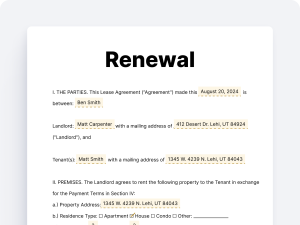
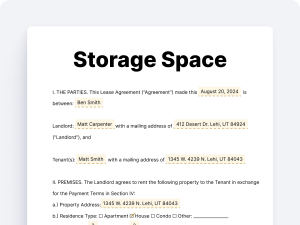
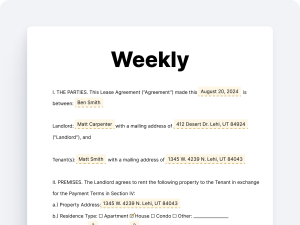
District of Columbia Rental Lease Agreement PDF
FAQs
No, District of Columbia law does not strictly require a written lease for every tenancy. However, a written District of Columbia lease agreement is strongly recommended because it clearly outlines rent terms, responsibilities, and tenant rights. Written leases help prevent disputes and provide legal protection for both landlords and tenants.
In the District of Columbia, landlords can charge a maximum security deposit equal to one month’s rent. The deposit must be placed in an interest-bearing escrow account, and the tenant is entitled to the interest earned during the tenancy.
Landlords in the District of Columbia must return a tenant’s security deposit within 45 days after the tenant moves out. If deductions are made, the landlord must provide a written itemized statement explaining the charges.
For a month-to-month lease in the District of Columbia, either the landlord or tenant generally must provide 30 days written notice before terminating the rental agreement unless the lease specifies a different notice period.
No. District of Columbia law prohibits self-help evictions. A landlord cannot change the locks, remove a tenant’s belongings, or shut off utilities to force a tenant to leave. All evictions must go through the court process and require a legal eviction orde