
Seller’s Property Disclosure Statement


(1)
A Seller’s Property Disclosure Statement protects buyers and sellers from future disputes about property conditions. Many property owners underestimate the importance of thorough disclosure, which can lead to expensive legal battles. In short, this guide explains everything you need to know about disclosing material defects in structure, systems, and other property components.
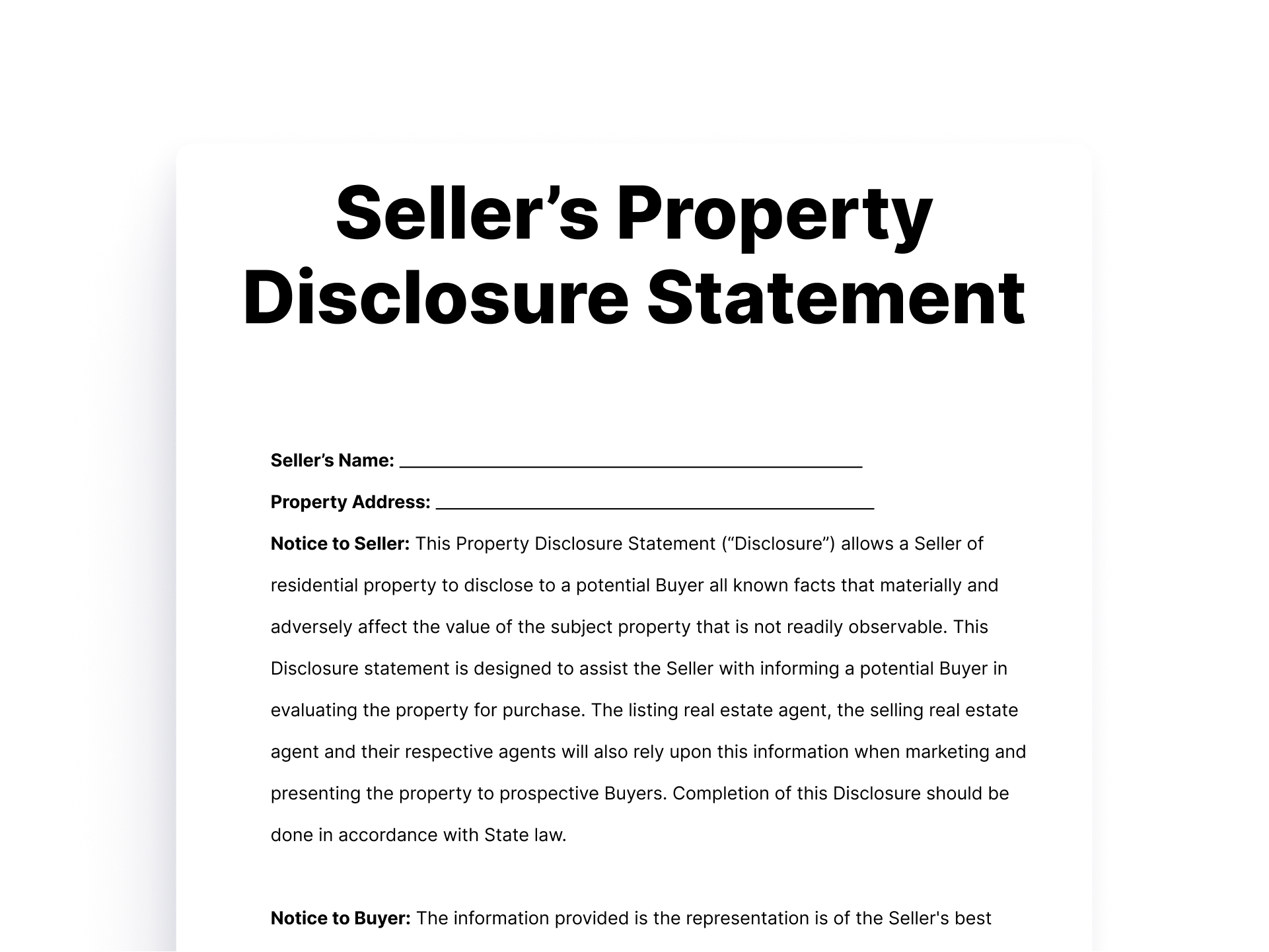
What Is a Seller’s Property Disclosure Statement?
How the Disclosure Statement Works
A seller’s property disclosure statement is a legal document listing known defects and issues with a property. It requires sellers to disclose material facts that could affect buyer decisions. Additionally, the disclosure covers structural problems, system failures, environmental hazards, and other significant issues. Most states require these statements before completing real estate transactions, and they create written records of property conditions at the time of sale.
Understanding Material Defects
Material defects are problems that significantly affect property value, safety, or usability. These issues would influence a reasonable buyer’s decision to purchase or the price they would pay. Not every minor issue qualifies — small cosmetic problems or normal wear and tear typically do not need detailed disclosure. However, sellers should err on the side of over-disclosure when uncertain. Hidden defects that buyers cannot easily find through reasonable inspection always require disclosure.
How Disclosure Statements Differ From Inspection Reports
The disclosure statement reflects seller knowledge rather than professional evaluation. Sellers must disclose problems they know about even without formal inspections. Therefore, honesty about all known material defects is required — even if no inspector has formally identified them.
Legal Requirements for Seller’s Property Disclosure Statement
Federal Disclosure Requirements
Federal law does not require comprehensive disclosure statements for most residential transactions. However, the Residential Lead-Based Paint Hazard Reduction Act requires specific disclosures for pre-1978 properties. Sellers must provide buyers with 10 days to conduct lead inspections. Additionally, federal regulations set penalties for lead disclosure violations regardless of state requirements.
State-Specific Disclosure Laws
Most states require sellers to complete detailed property disclosure forms before closing. Key examples include:
- California — requires a comprehensive Transfer Disclosure Statement
- Texas — mandates a Seller’s Disclosure Notice detailing known defects
- New York — requires a Property Condition Disclosure Statement
- Alaska and Alabama — do not mandate disclosures beyond federal lead requirements
Even in states without mandates, sellers face liability for intentional concealment of known defects. Therefore, voluntary disclosure protects sellers regardless of state requirements.
“As-Is” Sales and Disclosure Exemptions
Some states allow “as-is” property sales without detailed disclosure requirements. However, “as-is” provisions do not eliminate liability for active fraud or intentional concealment. Additionally, foreclosure sales, estate sales, and distressed property transactions may have reduced requirements. These exemptions vary significantly by jurisdiction, and buyers in exempt transactions typically accept greater risk.
What Must Be Disclosed: Structural Components
Foundation, Roof, and Walls
Disclose all known structural issues, including:
- Foundation cracks, settling, or structural movement
- Previous foundation repairs, underpinning, or reinforcement work
- Roof age, condition, known leaks, and previous repairs
- Water stains on ceilings or walls — even if the source was previously fixed
- Wall cracks, bulging, or signs of movement
- Sagging floors, uneven surfaces, or structural modifications like wall removal
Buyers need to know about historical foundation and roof issues that could recur. Additionally, disclose any insurance claims filed for roof or structural damage.
Windows, Doors, and Exterior Components
Report window and door issues including:
- Broken seals in double-pane windows or cracked glass
- Windows that do not open or close properly
- Doors that do not close properly or show signs of settling
- Egress window deficiencies affecting bedroom safety or code compliance
Some replacement windows carry transferable warranties valuable to buyers. Furthermore, include dates and scope of any window or door replacements completed.
What Must Be Disclosed: Major Systems
Plumbing and Electrical Systems
Disclose all known plumbing problems including:
- Leaks, slow drains, or low water pressure
- Pipe material types — copper, PVC, polybutylene, lead, or galvanized
- Sewer line problems, septic system issues, or recent repairs
For electrical systems, disclose:
- Outdated wiring like knob-and-tube or aluminum wiring
- Circuit breakers that trip frequently or outlets that don’t work
- Electrical panel condition and service capacity
- Any code violations or safety hazards found during inspections
HVAC, Water Heater, and Other Systems
Provide details about heating and cooling systems including age, maintenance history, and known problems. Additionally, disclose carbon monoxide concerns, furnace cracks, or safety issues found during service visits. For water heaters, include:
- Age, capacity, and fuel type (gas, electric, or tankless)
- Any leaks, rust, or unusual noises
- Earthquake strapping status if required by your jurisdiction
What Must Be Disclosed: Environmental and Safety Issues
Water Damage, Mold, and Pests
Disclose any history of water damage, flooding, or moisture problems. Additionally, report whether the property is in a flood zone or floodplain. For mold and air quality, include:
- Known mold growth or remediation work
- Any moisture conditions that could promote mold
- Tenant or occupant health complaints related to air quality
For pest issues, disclose:
- Termite damage or wood-destroying insect problems
- Rodent problems, bed bugs, or other pest infestations
- Treatments performed and whether infestations were fully eliminated
Hazardous Materials and Environmental Concerns
Disclose the presence of asbestos, lead paint, radon, or other hazardous materials. Additionally, report any environmental testing results, underground storage tanks, or previous industrial uses. Furthermore, disclose any environmental cleanup activities or ongoing monitoring requirements on the property.
What Must Be Disclosed: Legal and Property Issues
Boundaries, HOA, and Zoning Issues
Disclose the following legal and property issues:
- Boundary disputes, encroachments, or survey discrepancies
- Fences, sheds, or driveways that cross property lines
- HOA membership, fees, rules, pending assessments, or violations
- Zoning violations, unpermitted work, or code enforcement actions
- Renovations or additions completed without proper permits
Additionally, report any non-conforming property uses that could be lost if discontinued. Furthermore, disclose any pending zoning changes or development plans affecting the neighborhood.
Insurance Claims and Loss History
Disclose any insurance claims filed during your ownership period. Multiple claims may affect buyers’ ability to get affordable coverage. Additionally, report the nature of claims — fire, water damage, theft, or liability. Include information about policy cancellations or non-renewals, as some loss histories transfer to new owners and affect their rates.
Consequences of Incomplete or Fraudulent Disclosure
Fraud, Misrepresentation, and Contract Claims
Sellers who conceal known defects face serious legal consequences, including:
- Fraud lawsuits — courts may award repair costs, diminished property value, and punitive damages
- Rescission — buyers can void the entire transaction and require sellers to repurchase the property
- Breach of contract — material omissions from disclosure forms violate purchase agreement obligations
- Negligent misrepresentation — even unintentional false statements create legal liability
Claiming no knowledge about obvious problems does not protect sellers from liability. Furthermore, courts view selective disclosure as evidence of intentional concealment.
Financial Consequences for Sellers
Legal judgments for disclosure violations can consume substantial portions of sale proceeds. Repair costs for major undisclosed defects often reach tens of thousands of dollars. Additionally, legal fees and court costs quickly deplete remaining profits. Some sellers must repurchase properties or refund purchase prices plus consequential damages, creating losses that exceed original sale proceeds.
Best Practices for Completing Disclosure Statements
Conduct Pre-Sale Inspections and Disclose Everything
Hire professional inspectors to evaluate your property before listing it. Inspections reveal problems you may not know about, allowing proactive disclosure. Additionally, address significant problems before marketing the property — buyers prefer documented repairs over unresolved issues.
Always include all known problems regardless of perceived significance. Over-disclosure protects you better than selective omissions. Furthermore, never rely on assumptions that buyers will find problems through their own inspections.
Provide Detailed Descriptions and Update Disclosures
Describe problems specifically rather than using vague language. Include dates, repair details, and current conditions. Additionally, provide supporting documentation like invoices, inspection reports, or photos.
If property conditions change between initial disclosure and closing, provide updated statements. Your duty to disclose continues throughout the entire transaction period until closing. Moreover, failure to update disclosures for material changes can constitute fraud.
Consult Legal Professionals
Hire a real estate attorney to review your disclosure statement before submitting it. Legal review ensures compliance with state-specific requirements and identifies potential liability. Additionally, attorneys can advise whether specific problems require disclosure under applicable state laws. Attorney fees for disclosure review are minimal compared to potential litigation costs.
Seller’s Property Disclosure Statement Takeaways
A complete seller’s property disclosure statement demands honesty about all known material defects affecting structure, systems, and property conditions. Conduct pre-sale inspections, describe problems in detail, provide supporting documentation, and update disclosures if conditions change before closing. Overall, thorough and honest disclosure protects your finances, builds buyer trust, and creates smoother transactions from start to finish.
FAQs
A seller’s property disclosure statement is a legal document that requires sellers to disclose all known material defects affecting a property’s structure, systems, safety, and value before completing a real estate transaction.
A material defect is any problem that significantly affects property value, safety, or usability — including foundation issues, roof leaks, plumbing or electrical problems, mold, pest damage, and environmental hazards like asbestos or lead paint.
Yes — while “as-is” provisions reduce some disclosure requirements, they do not eliminate liability for active fraud or intentional concealment of known defects in most jurisdictions.
Sellers who conceal known defects can face fraud lawsuits, breach of contract claims, and negligent misrepresentation liability, with courts potentially awarding repair costs, punitive damages, attorney fees, or even requiring the seller to repurchase the property.
Yes — sellers should disclose historical defects like past roof leaks, foundation repairs, or mold remediation even if fully repaired, as buyers deserve to know about issues that could recur or indicate underlying problems.