
Rent Receipt
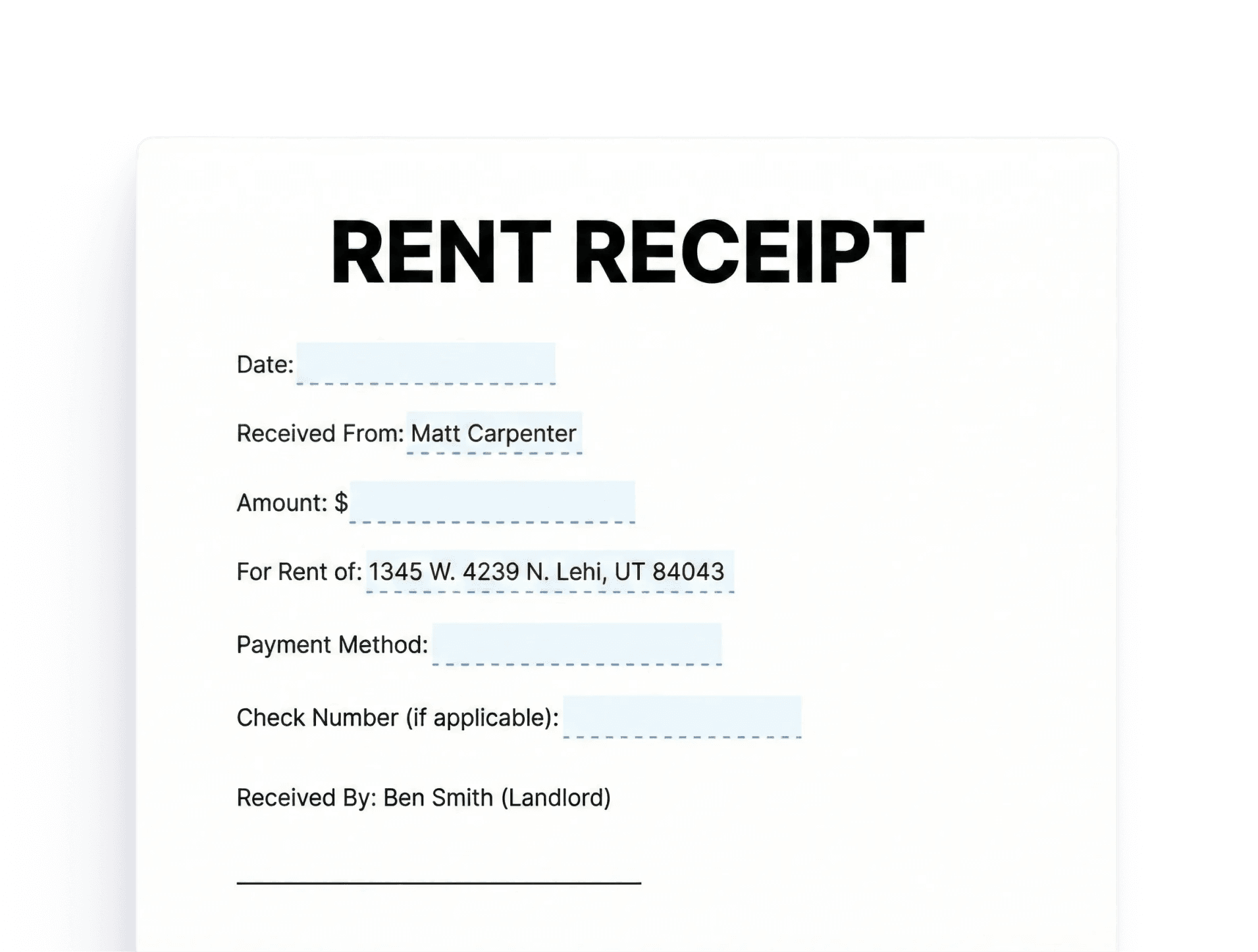
A rent receipt is a written acknowledgment that landlords provide to tenants confirming receipt of rent payment for specified periods. This document includes payment dates, amounts received, payment methods, rental periods covered, and remaining balances if applicable.


What Is a Rent Receipt?
The receipt serves multiple critical functions in rental property management. First, it provides tenants proof of payment protecting them from claims about non-payment or incomplete payments. Second, it creates landlord records documenting income received supporting accurate bookkeeping and tax reporting. Third, it establishes payment histories helpful when tenants need verification for credit applications, government assistance, or future housing applications. Finally, it prevents disputes by creating mutual agreement about payments received and outstanding balances. Property managers issue receipts immediately upon receiving payments whether through cash, checks, money orders, or electronic transfers, creating contemporaneous records of all rental transactions.
Legal Requirements by State
Mandatory Receipt Issuance
Several states legally require landlords providing rent receipts when tenants pay cash or request written acknowledgment. These mandatory receipt laws typically apply to cash payments since electronic payments and checks create automatic payment records. California, for example, requires receipts for all cash payments within a reasonable time after receipt.
Even in states without mandatory receipt laws, issuing receipts represents best practice protecting both parties. Additionally, some local ordinances impose receipt requirements beyond state mandates. Research your specific jurisdiction’s requirements ensuring compliance. Furthermore, rental assistance programs often require receipt documentation for reimbursement validating tenant eligibility.
Required Information Elements
State laws requiring receipts typically mandate including specific information such as landlord names, tenant names, property addresses, payment dates, amounts received, rental periods covered, and payment methods. Some jurisdictions require including landlord contact information, business addresses, or tax identification numbers.
Additionally, certain states mandate receipts specify how payments apply to different charges like rent, late fees, or utilities. This application detail prevents disputes about which obligations payments satisfied. Furthermore, receipts should note any outstanding balances remaining after applying current payments.
Retention Requirements
Both landlords and tenants should retain rent receipts for extended periods supporting potential legal needs or tax audits. Landlords should keep copies for at least seven years matching IRS audit windows and supporting income documentation. Tenants benefit from maintaining receipts throughout tenancies plus several years afterward proving payment histories.
Digital copies provide excellent backup protection against lost paper receipts. Scanning or photographing receipts creates permanent records surviving physical document deterioration. Additionally, cloud storage ensures accessibility from anywhere preventing disputes about unavailable records during urgent situations.
Essential Receipt Components
Landlord and Tenant Identification
Begin rent receipts with complete landlord or property management company information including legal business names, contact addresses, phone numbers, and email addresses. Add tenant names exactly matching lease agreements preventing confusion about payment recipients. Additionally, include property addresses and unit numbers linking receipts to specific rental units.
Some jurisdictions require landlords including tax identification numbers or business license numbers on receipts. Verify your local requirements ensuring complete compliance. Furthermore, professional identification information demonstrates legitimacy and facilitates tenant communication about payment questions.
Payment Transaction Details
Document payment dates specifying when you actually received funds rather than postmark dates or electronic initiation dates. Note payment methods whether cash, check, money order, electronic transfer, or credit card. For checks, include check numbers enabling cross-reference with bank deposits. Additionally, record electronic transfer confirmation numbers providing verification references.
Specify exact payment amounts received using numerical and written formats preventing alteration or misreading. For example, “$1,250.00 (One Thousand Two Hundred Fifty Dollars).” This redundancy creates clarity and prevents disputes about amounts. Furthermore, note whether payments represent partial or full amounts owed.
Rental Period Coverage
Clearly specify which rental period the payment covers such as “Rent for June 2024” or “Payment Period: 6/1/24 – 6/30/24.” This clarity prevents confusion about which month’s rent was paid particularly important when tenants pay multiple months simultaneously or make late payments applying to past periods.
When payments cover multiple periods or partial months, itemize each covered period separately. For example, “May 2024 Rent: $1,200” and “June 2024 Rent: $1,200” showing $2,400 total. This detail creates transparency about payment application. Additionally, it helps both parties tracking which months have been paid.
Balance Information
Include current account status showing previous balance, current payment amount, and remaining balance after payment application. This summary helps tenants understanding their payment status. For example, “Previous Balance: $150, Payment Received: $1,350, New Balance: $0.”
Highlight any remaining amounts owed using clear language preventing misunderstanding. If payment covers all obligations, state “Balance: $0” or “Account Paid in Full” confirming no additional amounts are due. Furthermore, noting balances creates ongoing records supporting accurate account tracking.
Signature and Date
Include signature lines for landlords or authorized property managers acknowledging payment receipt. Dated signatures create contemporaneous documentation proving when receipts were issued. Additionally, signatures demonstrate authenticity preventing disputes about receipt legitimacy.
Some landlords provide signature spaces for tenants acknowledging receipt of the receipt itself creating dual verification. This practice proves particularly valuable for cash payments lacking other verification methods. Furthermore, mutual signatures strengthen documentation if disputes arise requiring proof of payment acknowledgment.
Best Practices for Issuing Receipts
Immediate Issuance
Provide rent receipts immediately upon receiving payments rather than delaying days or weeks. Immediate receipts create contemporaneous records while transaction details remain fresh. Additionally, prompt receipt issuance demonstrates professionalism and respect for tenant needs.
For in-person payments, prepare receipts while tenants wait ensuring they leave with documentation. Electronic payment systems should generate automatic receipts emailed or available through tenant portals instantly. Furthermore, immediate documentation prevents forgetting payments or making errors reconstructing transactions from memory.
Consistent Format and Numbering
Use standardized receipt templates ensuring consistent information inclusion across all transactions. Consistent formatting demonstrates professionalism and simplifies receipt filing for both parties. Additionally, templates prevent accidentally omitting required information through oversight.
Assign sequential receipt numbers creating organized tracking systems. Numbered receipts enable easy reference and help identifying missing receipts indicating potential record gaps. Furthermore, numbering systems support chronological filing and quick location of specific transaction records.
Duplicate Copies
Maintain duplicate receipt copies for your records whenever issuing originals to tenants. Carbon copy receipt books automatically create duplicates. Alternatively, photocopy or photograph receipts before providing them to tenants. Additionally, digital receipt systems typically save copies automatically.
Organize receipt copies chronologically and by property or tenant creating systematic filing. These organized records support accurate bookkeeping and facilitate quick information retrieval during audits or disputes. Furthermore, duplicate retention protects you if tenants lose original receipts and request replacements.
Clear Communication
Explain receipt information clearly when providing them particularly for tenants unfamiliar with payment documentation. Point out key details like payment amounts, covered periods, and remaining balances. Additionally, encourage tenants asking questions about any confusing elements.
Provide contact information for payment inquiries ensuring tenants know who to contact about receipt discrepancies or account questions. Responsive communication builds trust and prevents small misunderstandings escalating into significant disputes. Furthermore, accessibility demonstrates your commitment to transparent financial management.
Technology and Automation
Property Management Software
Modern property management platforms automatically generate receipts when recording payments. These systems pull information from tenant accounts and payment records ensuring accuracy and consistency. Additionally, automated receipts get emailed to tenants immediately after payment posting eliminating manual distribution.
Software-generated receipts typically include all required information and maintain consistent formatting meeting legal requirements. Furthermore, digital systems store receipt copies permanently creating searchable databases supporting quick information retrieval. However, verify that automated receipts include all jurisdiction-specific required elements before relying solely on defaults.
Online Payment Portals
Tenant payment portals automatically provide instant receipts after successful electronic transactions. Tenants can access receipt copies anytime through portal accounts eliminating requests for duplicate copies. Additionally, portals maintain complete payment histories showing all transactions and receipts in one location.
Online receipt access particularly benefits tenants who lose paper receipts or need documentation urgently. They can log in and print or email receipts to themselves instantly. Furthermore, digital access eliminates landlord burden repeatedly providing duplicate receipts for misplaced originals.
Mobile Receipt Applications
Mobile apps designed for receipt creation enable landlords issuing professional receipts immediately from smartphones during on-site rent collection. These applications typically include templates, automatic numbering, and email or text message delivery. Additionally, many integrate with accounting software syncing receipt data automatically.
Mobile solutions prove particularly valuable for landlords managing multiple properties or collecting rent at different locations. They eliminate carrying receipt books or relying on memory to issue receipts later. Furthermore, digital mobile receipts often appear more professional than handwritten paper versions.
Special Situations
Partial Payment Receipts
When accepting partial rent payments, receipts must clearly indicate payment amounts received and remaining balances owed. Include specific language noting “Partial Payment” preventing tenants mistakenly believing they’ve satisfied full obligations. Additionally, specify which charges or periods partial payments apply toward.
Partial payment receipts should reference any payment plan agreements or payment schedules. This connection links receipts to formal arrangements documenting payment plan compliance. Furthermore, clear partial payment documentation protects your legal position if you later need pursuing eviction for continued non-payment.
Multiple Payment Method Combinations
Sometimes tenants pay using multiple methods simultaneously, such as check for most rent plus cash for late fees. Issue combined receipts showing each payment method and amount separately. For example, “Check #1234: $1,200” and “Cash: $50” totaling $1,250.
This detailed breakdown creates transparency about payment composition and facilitates bank reconciliation. Additionally, it prevents confusion if one payment component fails, like bounced checks, requiring partial refunds or account adjustments. Furthermore, itemized receipts support accurate bookkeeping by payment type.
Roommate Situations
When multiple roommates share units but pay separately, issue individual receipts to each payer. Document which tenant made each payment even if lease agreements hold all tenants jointly liable for total rent. Additionally, note each individual’s payment amount and how it applies to their share or total rent.
Individual receipts help roommates tracking their personal payment responsibilities and histories. They also prevent disputes between roommates about who paid what amounts. Furthermore, separate receipts support individual tenant verification needs for future housing applications or assistance programs.
Conclusion
A rent receipt provides essential documentation protecting both landlords and tenants by creating clear records of payment transactions. By issuing detailed receipts immediately upon receiving payments, maintaining consistent formats, retaining duplicate copies, and leveraging technology for efficiency, you establish professional payment documentation supporting accurate financial management. Whether using handwritten receipt books, customized templates, or sophisticated property management software, implement systematic receipt procedures ensuring every payment receives proper acknowledgment. Professional rent receipt practices demonstrate transparency that builds tenant trust while protecting your legal and financial interests through comprehensive payment documentation.
FAQs
Legal requirements vary by state, with some jurisdictions mandating receipts for cash payments or when tenants request them. However, providing receipts represents best practice regardless of legal requirements, creating documentation protecting both parties from payment disputes.
Essential information includes landlord and tenant names, property address, payment date, amount received, rental period covered, payment method, and current balance. Some jurisdictions require additional details like business addresses, tax identification numbers, or specific payment application explanations.
Yes, provide receipts for all payment types even though electronic payments and checks create automatic records. Tenants appreciate having standardized documentation, and receipts maintain consistent record-keeping across all payment methods supporting comprehensive financial tracking.
Landlords should retain receipts for at least seven years supporting tax audits and potential legal proceedings. Tenants benefit from keeping receipts throughout tenancies plus several years afterward for credit verification, housing applications, or potential disputes.
Provide duplicate copies from your retained records when tenants lose original receipts. Digital receipt systems enable instant duplicate access through tenant portals eliminating landlord burden. Additionally, encourage tenants maintaining their own digital copies photographing or scanning receipts upon receipt.