
Real Estate Disclosure Checklist


(1)
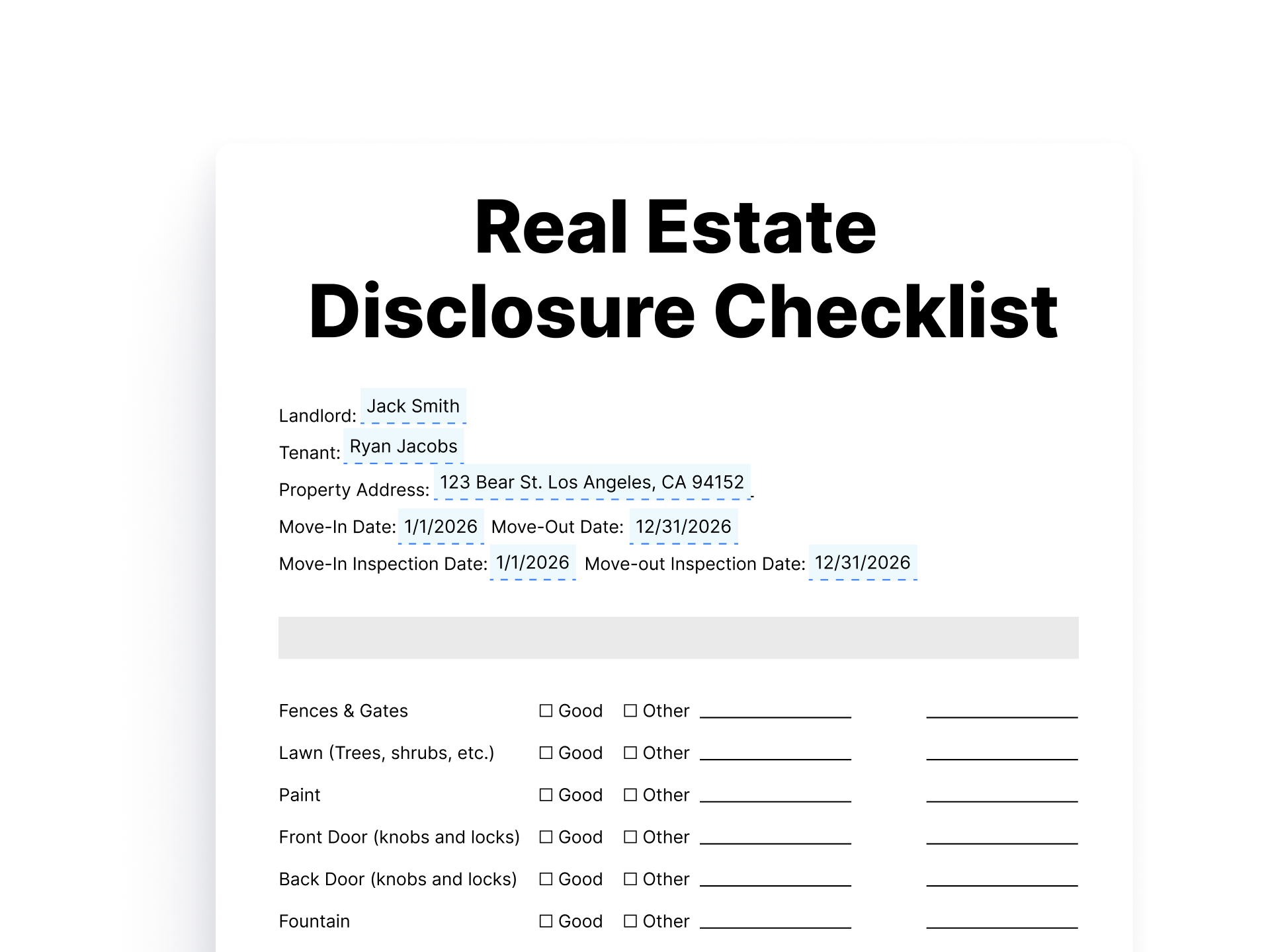
A Real Estate Disclosure Checklist protects both buyers and sellers during property transactions. Proper disclosures inform buyers about property conditions, hazards, and restrictions. In addition, they reduce legal liability for sellers. In short, a detailed checklist ensures all required forms are completed, deadlines are met, and legal requirements are satisfied.
Download as PDF when complete
Real Estate Disclosure Checklist: Complete Guide for Buyers and Sellers
Whether you’re buying your first home or selling an investment property, a clear Real Estate Disclosure Checklist prevents legal problems. Specifically, this guide covers:
- Seller disclosures and lead paint notices
- HOA documents and environmental hazards
- Agency forms, tax information, and inspection reports
Overall, our checklist helps you handle disclosure requirements with confidence while protecting your interests.
Seller’s Property Disclosure Statement
What the Disclosure Form Covers
The seller’s property disclosure statement is the most important document on your Real Estate Disclosure Checklist. This form requires sellers to reveal known defects, repairs, and conditions that affect value or safety. Most states require disclosure of:
- Structural issues and roof condition
- Plumbing, electrical, and HVAC systems
- Water intrusion or flooding history
- Past repairs or renovations
Sellers must disclose problems they know about — or should reasonably know about — through property ownership. In fact, failing to do so can result in serious legal consequences after closing.
How to Complete Seller Disclosures Correctly
Complete disclosure forms honestly and thoroughly to avoid legal liability. Buyers can sue sellers who hide known defects or make false statements. Therefore, your checklist should document all issues regardless of size. Let buyers decide which problems matter to them. Include estimates or receipts for past repairs. When in doubt, always disclose — over-disclosure is safer than omitting information that causes disputes later.
Lead-Based Paint Disclosure Requirements
Federal Lead Paint Disclosure Rules
Properties built before 1978 require federal lead-based paint disclosure. The Residential Lead-Based Paint Hazard Reduction Act mandates specific forms and procedures. Specifically, sellers must:
- Provide EPA-approved lead paint disclosure forms
- Disclose any known lead paint or hazards
- Provide available lead inspection or assessment reports
- Give buyers 10 days to conduct lead inspections
Notably, violations carry penalties up to $16,000 per violation.
Completing Lead Disclosure Forms
Complete lead disclosure requirements even if you don’t know whether lead paint exists. Your disclosure form must state your knowledge of lead paint — sign it accordingly. Additionally, provide copies of any past lead testing or abatement records. Most pre-1978 homes contain lead paint somewhere. Buyers can waive the 10-day inspection period, but sellers must still provide all required forms.
HOA and Condo Association Disclosure Checklist
Required HOA Documents for Real Estate Disclosure
Properties subject to homeowners associations require extensive disclosure documents. Consequently, your Real Estate Disclosure Checklist must include:
- CC&Rs (Covenants, Conditions, and Restrictions)
- Bylaws and rules
- Financial statements and budgets
- Meeting minutes from the past year
- Reserve study showing funding for future repairs
- Pending or planned special assessments
- Current HOA fees and payment schedules
Many states require these documents within 10 to 30 days after contract acceptance. In addition, some states impose strict penalties for late or incomplete HOA disclosure packages.
Reviewing HOA Documents Before Purchasing
Review HOA documents carefully before buying. Association rules may restrict:
- Rentals and pets
- Parking and exterior changes
- Property use and modifications
Meanwhile, financial documents reveal the association’s health and potential special assessments. Furthermore, identify any pending litigation that could result in additional costs. Buyers typically have a contingency period to cancel if HOA documents reveal unacceptable terms.
Natural Hazard and Environmental Disclosure Checklist
Natural Hazard Disclosure Requirements
Environmental hazard disclosures inform buyers about natural risks. Your Real Estate Disclosure Checklist requires disclosure of:
- Flood zones and earthquake fault zones
- Fire hazard severity zones
- Landslide or erosion areas
- Protected wetlands or wildlife habitats
Most states require Natural Hazard Disclosure statements prepared by specialized companies. These reports cost $75 to $200 and protect sellers from liability.
Environmental Hazard Disclosures
Disclose known environmental conditions beyond standard hazard reports. In addition, your checklist should also include:
- Underground storage tanks
- Soil or groundwater contamination
- Past hazardous material use
- Proximity to landfills or industrial sites
- Previous environmental assessments or remediation
Buyers concerned about contamination can order a Phase I Environmental Assessment during the inspection period.
Agency and Dual Agency Disclosure Forms
Understanding Agency Disclosure Requirements
Agency disclosure forms explain who represents whom in a transaction. Include these forms early — typically at first contact with buyers or sellers. Agents must disclose whether they represent the:
- Buyer only
- Seller only
- Both parties (dual agency)
Understanding representation matters because agents owe fiduciary duties including loyalty, confidentiality, and full disclosure to their clients. Consequently, choosing the right representation structure is one of the most important decisions in any transaction.
Dual Agency Disclosure in Real Estate Transactions
Dual agency occurs when one agent represents both buyer and seller. This situation requires additional disclosure and consent from both parties. As a result, agents cannot fully advocate for either side. Some states prohibit dual agency entirely. Therefore, review agency forms carefully and ask questions about representation before signing any agreements.
Property Tax and Zoning Disclosure Checklist
Property Tax Disclosure Requirements
This disclosure helps buyers plan for ongoing ownership costs. Specifically, your Real Estate Disclosure Checklist should include:
- Current property tax amounts and assessment values
- Special assessments or bonds affecting the property
- Tax exemptions that may not transfer to the new owner
After a sale, taxes often increase because many areas reassess properties at current market value when ownership changes. In particular, buyers should budget for this possibility when calculating total ownership costs.
Zoning Information Disclosure
Zoning information affects how buyers can use the property. Specifically, disclose:
- Current zoning designation and permitted uses
- Nonconforming use status if applicable
- Pending zoning changes or nearby development proposals
- Lot size, setback requirements, and building coverage limits
As a result, buyers planning additions or business use should verify zoning allows their intended use before removing contingencies.
Mold, Radon, and Asbestos Disclosure Checklist
Indoor Environmental Hazard Disclosures
Indoor environmental hazards require disclosure when known. Your Real Estate Disclosure Checklist should include any reports for:
- Mold and past water damage or moisture issues
- Radon gas levels
- Asbestos in insulation, flooring, or other materials
Sellers must disclose known problems even without formal testing. In particular, any history of water damage, moisture issues, or visible mold growth must be included. Furthermore, radon is a naturally occurring radioactive gas that affects many properties, especially in certain geographic regions.
Environmental Testing Costs for Buyers
Buyers can order specialized testing during the inspection period. Here are typical costs:
- Mold inspections: $300 to $700
- Radon testing: $150 to $300
- Asbestos inspections: $400 to $800
Overall, properties with identified hazards typically require remediation or price adjustments.
State-Specific Real Estate Disclosure Requirements
How Disclosure Rules Vary by State
Disclosure requirements vary significantly by state. Some states require minimal disclosure while others mandate extensive forms. For example, California requires disclosures covering:
- Earthquake safety and Megan’s Law database notice
- Military ordnance locations
- Airport proximity
Your checklist should include all state-mandated forms plus any local requirements.
Working with Real Estate Professionals on Disclosures
Work with experienced agents and attorneys familiar with local disclosure laws. They ensure your Real Estate Disclosure Checklist includes all required forms and follows proper procedures. Otherwise, missing disclosures or missed deadlines can derail transactions or create legal liability years after closing. Additionally, state real estate commissions provide disclosure form templates and guidance on their websites.
Real Estate Disclosure Checklist Takeaways
A complete Real Estate Disclosure Checklist protects everyone in a property transaction. Sellers must provide honest, thorough disclosures revealing all known defects. Pre-1978 homes require federal lead paint disclosure. HOA properties need full association documents. Natural hazard and environmental disclosures inform buyers about location risks. Agency forms clarify representation. Tax and zoning information helps buyers plan ahead. Mold, radon, and asbestos reports reveal indoor conditions. Overall, following your checklist ensures legal compliance and protects your interests through informed decision-making.
FAQs
A real estate disclosure checklist ensures all required forms are completed, deadlines are met, and both buyers and sellers are protected from legal liability during a property transaction.
Yes — federal law requires sellers of pre-1978 homes to provide EPA-approved lead paint disclosure forms and give buyers 10 days to conduct lead inspections, with violations carrying penalties up to $16,000 per violation.
The sellers must provide CC&Rs, bylaws, financial statements, meeting minutes, reserve studies, pending special assessments, and current HOA fees, typically within 10 to 30 days after contract acceptance.
Sellers must disclose flood zones, earthquake fault zones, fire hazard areas, underground storage tanks, soil or groundwater contamination, and any past environmental assessments or remediation.
Buyers can sue sellers who intentionally hide known defects or make false statements on disclosure forms, creating legal liability that can extend years after closing.